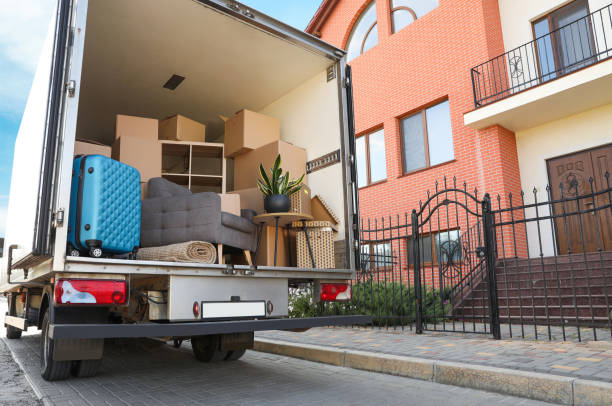

Cross Country Movers: Trusted Interstate Movers & Out of State Moving Companies

Cross Country Movers: Trusted Interstate Movers & Out of State Moving Companies

Why Hiring an Out of State Moving Company Is Worth Every Penny for Long-Distance Moves

Expertise and Experience

Professional long distance movers such as https://www.outofstatemovingcompany.com are well-trained in handling the complexities of long-distance relocations. Their expertise ensures:
– Proper handling of fragile or valuable items, such as antiques, glassware, and electronics.
– Efficient loading and unloading techniques that optimize space and minimize damage risks.
– Knowledge of regulations regarding interstate moves, including transportation laws and required permits.

Hiring experienced professionals reduces the likelihood of costly mistakes or damaged belongings.

Time-Saving Benefits

Packing up a household for a long-distance move can take weeks when done alone. Full-service movers streamline this process by offering:
1. Efficient Packing Services: They supply quality packing materials and carefully organize your belongings.
2. Quick Transition: Movers adhere to schedules, ensuring timely pickup and delivery of your items.
3. Unpacking Assistance: Many companies include unpacking services, allowing you to settle into your new home faster.

By delegating these tasks, you save significant time for other important aspects of relocating.

Reduced Physical Strain

A major challenge during any move is the physical labor involved in lifting heavy furniture, appliances, or packed boxes. Hiring professional movers eliminates risks such as:
– Personal injury from improper lifting techniques. – Damage to property due to unprofessional handling. – Stress from managing complex logistics single-handedly.

Movers come equipped with tools like dollies, ramps, straps, and padding to ensure safe transportation.

Comprehensive Services

Full-service moving companies go beyond transportation by offering additional services tailored to your needs: | Service Type | Description | |———————–|—————————————————————————–| | Packing/Unpacking | Organized packing with high-quality materials; unpacking at destination | | Storage Solutions | Temporary or long-term storage options during transition | | Specialty Item Moving | Handling delicate items like pianos or artwork with specialized care | | Insurance Options | Coverage plans for added peace of mind |

These comprehensive services ensure every aspect of your move is under control.

Financial Savings in the Long Run

While full-service movers may seem expensive upfront, they often prevent unforeseen costs that arise from DIY attempts: – Damages requiring repairs or replacements. – Fuel expenses for multiple trips if using personal vehicles. – Lost time spent on organizing logistics instead of productive tasks.

Investing in professionals often leads to better financial outcomes compared to hidden costs in DIY relocations.

Peace of Mind

Perhaps one of the greatest advantages is the peace of mind that comes with hiring experts who will handle your belongings with care: – You’ll avoid last-minute stressors like finding extra packing supplies or transportation hiccups. – With clear communication channels, you’ll always know where your items are during transit. – Many companies offer tracking systems so you can monitor progress in real-time.

By choosing a reliable company, you allow yourself to focus on other important aspects while trusting professionals with relocation logistics.

Making a long-distance move doesn’t have to be overwhelming when you have full-service movers by your side. The convenience, expertise, and comprehensive solutions they provide ultimately make every penny worth it for anyone seeking a seamless transition into their new home across state lines.

Top 7 Reasons Why Long-Distance Moving Is Easier with Interstate Movers

Long-distance moving can be a stressful and time-consuming process, but professional movers bring expertise and resources that make the experience much smoother. Here are seven key reasons why hiring professional movers for your long-distance move is a smart decision.

1. Expertise in Handling Long-Distance Moves

Professional movers specialize in safely transporting belongings over long distances. Their extensive experience ensures that items are packed, loaded, and secured properly to withstand the journey. From delicate antiques to heavy furniture, they know how to handle it all with care.

2. Access to Proper Equipment

Moving large or bulky items requires specialized tools and equipment. Professional movers come equipped with:
– Dollies for heavy appliances or furniture
– Straps to secure items during transit
– Protective padding to prevent scratches or dents during loading/unloading
Without these tools, homeowners often struggle with moving larger pieces safely.

3. Time-Saving Convenience

Packing, loading, transporting, and unloading can take several days or weeks without professional help. Movers streamline the entire process by:
– Efficiently packing your belongings using proven techniques
– Organizing transportation logistics ahead of time
– Quickly unloading and setting up at your new location

This allows you to focus on other important aspects of your move while leaving the labor-intensive work to professionals.

4. Reduces Risk of Injury

Lifting heavy boxes or furniture without proper training can lead to injuries like back strain or muscle pulls. Professional movers are trained in proper lifting mechanics and use equipment designed for safe transport, reducing accidents or property damage.

5. Insurance Coverage for Your Belongings

Type of Coverage Description Example Scenario
Basic Liability Protection Covers minimal damage per pound A damaged box gets partially reimbursed
Full Value Protection Covers full repair/replacement cost A broken TV is replaced entirely

Having peace of mind knowing your valuables are protected is invaluable during a long-distance move.

6. Streamlined Logistics Planning

Interstate moves require meticulous planning related to scheduling, route optimization, regulations (such as weight limits), and timing considerations—especially if you’re crossing state lines. Professionals handle these logistics seamlessly by:
– Creating efficient routes for faster delivery times
– Managing permits needed for oversized trucks or certain items
– Coordinating arrival times so you stay on schedule

This level of organization simplifies an otherwise overwhelming process.

7. Stress-Free Experience

Moving can be emotionally taxing due to changes in environment and lifestyle adjustments. Delegating responsibilities like packing fragile items or dealing with transportation logistics allows you more mental energy for preparing yourself—and your family—for this transition.

By hiring experienced interstate movers who bring professionalism and efficiency into the process, you’ll enjoy a smoother relocation experience overall while avoiding unnecessary stress at every step along the way.

Tips to Avoid Moving Scams and Choose Reliable Long Distance Movers

When planning a long-distance move, selecting the right moving company is critical. Unfortunately, not all movers operate ethically, and falling victim to a moving scam can lead to stress, financial loss, or even the loss of your belongings. To safeguard your move and ensure you’re working with reliable professionals, here’s a guide on how to avoid scams and choose trustworthy interstate movers.

Know the Common Signs of Moving Scams

  • Unusually Low Estimates: If the quoted price seems too good to be true compared to other companies, it usually is.
  • No In-Person Inspection: Legitimate movers will typically schedule an in-home or virtual survey of your belongings to provide an accurate estimate.
  • No Licensing Information: Interstate movers must be registered with the Federal Motor Carrier Safety Administration (FMCSA) and have a valid USDOT number.
  • Large Deposit Requirements: Reputable movers generally ask for no more than 20% upfront and often collect payment after delivery.
  • Lack of Written Contracts: A refusal to provide a detailed written estimate or contract is a major red flag.

Tips for Choosing Reliable Interstate Movers

  1. Check whether the mover is registered with FMCSA using their USDOT number.
  2. Confirm their license status for interstate moves through official government databases.
  3. Look up reviews on trusted platforms like Better Business Bureau (BBB), Google Reviews, or Yelp.
  4. Reach out to friends or family who’ve recently moved for referrals.
  5. Obtain at least three estimates from different companies to compare services and pricing.
  6. Ensure each quote includes all fees—hidden charges can inflate costs unexpectedly.
  7. Insist on binding or binding-not-to-exceed estimates that clearly outline all charges.
  8. Be cautious if the company’s estimate is vague or verbal only.
  9. Clarify whether packing materials, labor costs, fuel surcharges, tolls, and other potential fees are included in the quote.
  10. Confirm if they offer insurance options for your belongings during transit.
  11. A legitimate moving company typically has an office with proper signage—avoid businesses operating solely online with no physical address.
  12. Check Their Complaint History: Use FMCSA’s database or BBB records to find any complaints lodged against the mover and see how they resolved them.

Questions You Should Ask Before Hiring Movers

Question Why it Matters
Are you licensed for interstate moves? Ensures compliance with federal regulations
What type of insurance coverage do you offer? Protects against damage during transit
Can you provide references? Builds trust through past client experiences
How are additional fees calculated? Helps prevent unexpected costs later

Staying Protected During Your Move

  • Take inventory of all items being moved; create photos/videos as additional proof in case damage occurs.
  • Read contracts thoroughly before signing—ensure every service discussed is documented clearly in writing.
  • Stay involved during packing/loading days; monitoring ensures nothing gets overlooked or mishandled.

By following these proactive steps and conducting due diligence upfront, you can avoid scams while securing reliable professionals who will make your long-distance move smoother and stress-free.

Tips from Cross Country Movers on What to Pack First and Last When Preparing for Your Move

Preparing for a long-distance move can be stressful, but packing in an organized and strategic manner can make all the difference. Knowing what to pack first and last ensures that your essentials are available when you need them, while non-essentials are safely tucked away. Here’s a guide to help you prioritize your packing process.

What to Pack First

When starting the packing process, focus on items you don’t frequently use or won’t need until after the move. These are generally non-essential items that won’t disrupt your daily routine if packed early.

  1. Winter coats, boots, and scarves during summer months
  2. Light jackets, swimsuits, and beachwear during winter
  3. Artwork, picture frames, wall hangings
  4. Seasonal decorations like holiday lights or ornaments
  5. Bookshelves can be cleared early as they aren’t usually required daily
  6. DVDs or video games not currently in use
  7. Keep only what you need for the next few weeks; pack excess bedding or guest towels first
  8. Specialty appliances like waffle makers or slow cookers
  9. Extra sets of dishes or glassware reserved for entertaining guests

Packing Essentials: Midway Through the Process

As moving day approaches, start focusing on items used more frequently but not critical for daily life.

  • Partial pantry items (non-perishables like canned goods)
  • Office supplies (if you’re still working from home but can reduce clutter)
  • Spare toiletries (extra soap bars, unopened toothpaste tubes)

What to Pack Last

  1. Daily Essentials Kit (for each family member):
    • Toothbrushes and toothpaste
    • Daily medications/first-aid kit
    • Chargers for phones or devices
  2. Important Documents & Valuables:
    Keep passports, birth certificates, jewelry, and financial records separate from general boxes for security purposes.
  3. Clothing for Moving Day:
    Comfortable travel clothes plus a change of fresh clothes packed in an overnight bag.
  4. Basic Kitchen Supplies:
    Enough utensils/cups/plates for immediate needs until unpacking is complete.
  5. Cleaning Supplies & Tools:
    Items such as paper towels, cleaning sprays, trash bags should remain accessible for pre-move cleaning tasks at both locations.

Packing Timeline Table

Timeframe Before Move Items to Pack
6+ Weeks Off-season clothing/decor/non-essential kitchenware
3–4 Weeks Books/media/spare linens
1 Week Frequently used but non-critical belongings
Moving Day Daily essentials/documents/basic supplies

By following this structured approach to packing first and last items properly during your long-distance move preparation phase ensures an efficient moving experience without unnecessary stress at either end of relocation efforts

The Ultimate Checklist for Hiring Long Distance Movers for a Stress-Free Experience

Planning a long-distance move can feel overwhelming, but with the right checklist, you can streamline the process and ensure a stress-free experience. This comprehensive guide covers all the essential steps to help you stay organized and on track from start to finish.

Step 1: Plan Your Move Early

Proper planning is crucial when preparing for an interstate move. Start as early as possible by following these steps:
Set a Budget: Determine how much you’re willing to spend on your move, including movers, packing materials, travel costs, and incidentals.
Create a Timeline: Identify key dates such as your moving day, lease ending date, or home closing day.
Research Moving Companies: Get quotes from at least three licensed and insured interstate movers. Check customer reviews and verify their credentials via FMCSA’s mover database.

Step 2: Organize Your Belongings

Sorting through your items ensures you only take what you truly need: – Declutter: Donate or sell items you no longer use to save space and reduce moving costs.
Categorize Items: Group your belongings into categories—keep, store, donate/sell, or throw away.

Category Examples Action
Keep Furniture, seasonal clothing Pack appropriately
Store Documents, heirlooms Use climate-controlled storage if needed
Donate/Sell Electronics, unused books Contact local charities or hold a yard sale
Throw Away Expired items, broken furniture Dispose of responsibly

Step 3: Gather Packing Supplies

Having the right supplies makes packing more efficient: – Sturdy boxes in various sizes
– Packing tape and scissors
– Bubble wrap or packing paper for fragile items
– Labels and markers for identifying contents
– Furniture blankets or plastic wrap

Step 4: Create a Packing Plan

Packing strategically prevents chaos during the unpacking process: 1. Pack Non-Essentials First: Seasonal décor, off-season clothing, rarely used kitchenware. 2. Label Every Box: Include destination room (e.g., “Bedroom”) and contents for quick identification. 3. Keep Essentials Handy: Pack an essentials bag with toiletries, medications, chargers, important documents (e.g., passports), snacks, and a few changes of clothes.

Step 5: Notify Relevant Parties

Ensure everyone is aware of your upcoming move: – Change your address with the USPS at least two weeks prior to moving day. – Notify utility companies to disconnect services at your current address and set up new services at your destination. – Inform banks, insurance providers, healthcare professionals, schools/workplaces about your new address.

Step 6: Prepare for Moving Day

Stay organized on the big day by following these tips: – Confirm logistics with your movers beforehand (arrival time and any last-minute instructions).
– Keep valuable or irreplaceable items like jewelry or documents with you rather than in the moving truck. – Perform a final walkthrough of your old home to ensure nothing is left behind.

By staying organized and sticking to this checklist throughout each stage of the process—planning ahead, decluttering belongings systematically—your long-distance move will feel far more manageable.


Find the Best Out of State Moving Company for a Stress-Free Relocation Plan and Schedule

Moving boxes and potted plants at new apartment Cardboard boxes and potted plants in empty room. Moving objects are on hardwood floor of new apartment. boxes moving stock pictures, royalty-free photos & images

Planning a long-distance move can feel overwhelming, but creating a detailed plan and schedule can simplify the process and reduce stress. A well-organized approach ensures that you stay on track, avoid last-minute surprises, and have a smoother transition to your new home.

Benefits of Having a Moving Plan

A moving plan helps you: – Stay organized throughout the moving process. – Save time by addressing tasks in an orderly sequence. – Anticipate challenges or unexpected delays. – Avoid unnecessary expenses.

Step 1: Establish Your Timeline with Interstate Movers

Set your desired moving date as the anchor point for your schedule. Work backward from that date to allocate sufficient time for each task.

Example Schedule Breakdown: | Task | Recommended Timeline | |——————————-|———————–| | Research and hire movers | 8-12 weeks before | | Declutter and donate items | 6-8 weeks before | | Start packing non-essential items| 4-6 weeks before | | Notify utilities/banks | 3-4 weeks before | | Pack essential items | 1 week before |

Step 2: Budgeting Tips for Hiring Long Distance Movers

Moving costs can add up quickly. Create a budget that accounts for: – Moving company fees (transportation, labor, insurance). – Packing supplies (boxes, tape, bubble wrap). – Travel expenses (fuel, lodging if applicable). – Unexpected costs (emergency repairs or storage fees).

Step 3: Identify Key Tasks for Cross Country Movers

Break down your moving process into manageable steps. This may include: 1. Researching reliable interstate movers. 2. Decluttering and sorting belongings by category. 3. Packing systematically by room or type of item. 4. Scheduling utility shut-offs and activations at both locations.

Checklist Example:

Here is a sample key task checklist you can adapt: – [ ] Confirm your moving day with the hired company. – [ ] Update your address with banks, subscriptions, and government agencies. – [ ] Prepare a box of essentials for immediate use upon arrival.

Step 4: Use Digital Tools to Stay Organized with Long Distance Movers

Take advantage of technology to streamline planning: 1. Moving Apps: Apps like MoveAdvisor or TaskRabbit can help manage tasks or find local assistance for heavy lifting.
2. Spreadsheets: Create simple tables in Excel/Google Sheets to track costs or inventory boxes.
3. Digital Calendar: Use reminders on Google Calendar or apps like Trello to keep deadlines visible.

Step 5: Build Flexibility Into Your Plan

While having a schedule is crucial, allow room for unexpected changes such as weather delays or extra packing time. Factor in contingencies so you’re not caught off guard.

Pro Tip:

Keep all essential documents (moving contracts, receipts, rental agreements) in one folder—either digitally stored online or as hard copies—to access them easily during the move.

Having an actionable plan doesn’t just simplify logistics; it gives peace of mind throughout what might otherwise be an overwhelming process.

Create a Detailed Long-Distance Moving Plan and Schedule for a Stress-Free Relocation

Planning is the foundation of a successful long-distance move. Without a clear roadmap, it’s easy to feel overwhelmed during the process. A detailed plan and schedule will not only keep you organized but also ensure that all critical tasks are completed on time. Below is an actionable guide to help you create a moving plan that minimizes stress.

Break Down the Moving Timeline into Phases

  1. Research and shortlist interstate moving companies.
  2. Create a preliminary budget for your move.
  3. Begin decluttering your home (donate, sell, or recycle unnecessary items).
  4. Start collecting important documents like leases, contracts, medical records, and school transcripts.
  5. Book your moving company and confirm all details in writing.
  6. Purchase packing supplies (boxes, packing tape, bubble wrap).
  7. Notify schools, employers, utility providers, and other services about your relocation.
  8. Begin packing non-essential items such as off-season clothing or rarely used kitchenware.
  9. Arrange for mail forwarding through USPS or relevant postal service.
  10. Finalize travel arrangements for yourself and family members.
  11. Schedule disconnections/activations of utilities at both current and new locations.
  12. Pack essentials you’ll need immediately upon arrival (label these boxes clearly).
  13. Confirm all logistics with your moving company.
  14. Plan meals to use up perishable food items.
  15. Prepare an “essentials box” with toiletries, medications, chargers, basic tools, snacks, etc.
  16. Conduct a final walkthrough of your home to check closets, cabinets, drawers.
  17. Clean your home or arrange professional cleaning services if required.

Utilize Tools to Stay Organized

Use tools such as checklists or digital apps to keep track of tasks: – Moving Apps: Apps like TaskRabbit or Sortly can help organize inventories and tasks digitally. – Spreadsheets: Use spreadsheets to track expenses and deadlines related to movers or utility services. – Printable Checklists: Maintain physical copies for quick reference during busy days.

Set Realistic Deadlines

Creating an effective moving timeline requires realistic deadlines based on personal availability and commitments. For instance: | Task | Ideal Timeframe | |—————————-|————————–| | Hiring movers | 6–8 weeks before move | | Decluttering | 2 months before move | | Packing | 4 weeks before move | | Utility Transfers | At least 2 weeks prior |

Delegate Responsibilities

Don’t hesitate to involve family members in specific tasks: – Assign packing responsibilities by room (e.g., kitchen vs bedroom). – Have kids handle their toys/books under supervision. – Request friends or relatives for assistance if needed.

Adapt Flexibility Into Your Plan

Unexpected delays can happen during long-distance moves due to weather conditions or logistical issues. Build buffer time into each phase of your plan so that any disruptions can be managed without panic.

Careful planning ensures every aspect of the move is addressed proactively rather than reactively—setting you on the path toward a smooth transition into your new home.

Declutter, Downsize, and Prioritize What to Keep Before Your Interstate Move

Preparing for a long-distance move is the perfect opportunity to reassess your belongings and make intentional decisions about what to take with you. Decluttering and downsizing can save money, reduce stress, and make your move more efficient. Below are practical steps to help you prioritize what to keep as part of your moving strategy.

Benefits of Decluttering Before a Move

Taking the time to declutter offers several advantages:
Reduced Moving Costs: Fewer items mean smaller moving trucks, reduced packing materials, and lower labor costs.
Better Organization: Starting fresh in your new home with only essential items allows you to maintain a clutter-free environment.
Streamlined Packing: Packing becomes faster when unnecessary or unused items are eliminated.

Step-by-Step Guide to Decluttering

  1. Sort Items by Category or Room
    Begin by organizing your belongings into categories (e.g., clothes, books, kitchenware) or by room (e.g., bedroom or garage). This method helps provide structure during the decluttering process.
  2. Ask Yourself Key Questions
    When deciding whether to keep an item, ask yourself these questions:
  3. Have I used this in the past year?
  4. Does this item hold significant emotional value?
  5. Is it worth the cost of moving?
    • Keep
    • Donate
    • Sell
    • Recycle/Discard
  6. Dispose of Unnecessary Items Responsibly Donate goods in usable condition to local charities or shelters and sell valuable items through online marketplaces or garage sales. Recycle electronics and other materials properly instead of discarding them irresponsibly.

Downsizing Tips for Long-Distance Moves

Downsizing can be especially important if you’re transitioning into a smaller space such as an apartment or townhouse. Consider these strategies: – Measure Your New Space: Review floor plans in advance to determine what furniture will fit. – Focus on Multipurpose Items: Opt for furniture pieces that serve dual purposes, like sofa beds or storage ottomans. – Digitize Paperwork and Media: Convert physical documents, photos, DVDs, and CDs into digital formats for less clutter.

Prioritizing What Matters Most

For sentimental possessions or valuables you can’t part with: – Pack them securely in labeled boxes. – Carry irreplaceable items (like legal documents) with you instead of loading them onto the moving truck.

Quick Reference Table for Decision-Making

Item Type Action Notes
Clothes Donate/Sell Keep weather-specific clothing needed at your destination
Furniture Measure/Downsize Ensure large pieces fit in new space first
Books Donate/Sell/Recycle Limit collection based on necessity
Kitchenware Keep Essentials Evaluate duplicate appliances/gadgets

Taking these steps before your interstate move will allow you to focus on creating a comfortable environment in your new home without unnecessary baggage weighing you down.

Room, boxes and moving in house, couch and investment of real estate, empty and shipping of luggage. Furniture, cardboard and new home with loan, mortgage and property of apartment and relocation Room, boxes and moving in house, couch and investment of real estate, empty and shipping of luggage. Furniture, cardboard and new home with loan, mortgage and property of apartment and relocation boxes moving stock pictures, royalty-free photos & images

Verify Long-Distance Moving Company Credentials and Avoid Red Flags

1. Check Licensing and Registration

Legitimate interstate moving companies must comply with federal regulations. The U.S. Department of Transportation (DOT) requires all interstate movers to have a valid DOT number, which can be verified on the Federal Motor Carrier Safety Administration (FMCSA) website. Steps to confirm credentials include:
– Visit the FMCSA website (https://www.fmcsa.dot.gov).
– Search for the moving company using their DOT number or name.
– Confirm that their license is active and there are no serious complaints against them in their history.

2. Verify Insurance Coverage

A reputable moving company will provide adequate insurance coverage for your belongings during transit. Before hiring, ask about:
Basic Liability Coverage: By law, movers must offer valuation coverage at $0.60 per pound per item, but this may not fully protect valuable items. – Full Value Protection: Some companies offer full value protection plans which cover replacement or repair costs in case of damage. – Request a copy of their insurance certificate for verification.

3. Research Customer Reviews and Ratings

Reading reviews from previous customers offers insights into the quality of service provided by the company. Start by checking:
Google Reviews and Yelp for genuine feedback. – The Better Business Bureau (BBB) website for ratings and any formal complaints filed. – Online forums or specialized websites like MovingScam.com that focus on honest reviews.

4. Look Out for Common Red Flags

There are several warning signs that could indicate an unreliable or fraudulent mover:
Unrealistically Low Estimates: If a quote seems too good to be true, it likely is—beware of hidden fees later on. – No On-Site Inspection: Credible movers will assess your belongings in person or through virtual surveys before providing an estimate. – Demanding Large Upfront Deposits: Reliable companies typically require little to no deposits before moving day. – Lack of Physical Address: Always check if the company has a valid office address listed online.

Red Flag Why It’s Concerning What You Should Do
No DOT Number Indicates non-compliance with federal regulations Avoid working with this company
Cash-only Payments Could indicate fraudulent activity Request multiple payment options
Unmarked Trucks Lack of branding may signal an unreliable operation Ask about their fleet beforehand

5. Request a Written Contract

A professional moving company should provide a detailed written contract outlining all terms, including services offered, pricing, timelines, and liability policies. Ensure you read through all terms carefully before signing anything.

By taking these precautionary steps and being vigilant against red flags, you can confidently select an interstate mover that meets your needs while ensuring your valuables are protected throughout the journey.

Verify Long-Distance Moving Company Credentials and Avoid Red Flags

When planning an interstate move, verifying the credentials of your moving company is critical. This step ensures that your belongings are in safe hands and helps you avoid scams or subpar services. Below is a guide to help you vet moving companies effectively and identify potential red flags.

Check for Proper Licensing

A legitimate long-distance moving company must be registered with the Federal Motor Carrier Safety Administration (FMCSA). They should provide a unique USDOT (U.S. Department of Transportation) number, which you can verify through the FMCSA website.

Key points to check: – A valid USDOT number for interstate movers. – Active registration status on the FMCSA database.

Research Online Reviews and Complaints

Customer reviews provide valuable insight into a company’s reputation. Look up reviews on reliable platforms like: – Better Business Bureau (BBB)Google ReviewsTrustpilot

When assessing reviews: – Pay attention to consistent complaints about damaged items, hidden fees, or delays. – Prioritize companies with a higher volume of positive feedback over several years.

Confirm Insurance Coverage

Reliable interstate movers must offer liability coverage for your belongings. Familiarize yourself with the two main types they typically provide: 1. Released Value Protection: Basic coverage included in most quotes (compensates at $0.60 per pound per item). 2. Full Value Protection: Comprehensive coverage for repair or replacement but often comes at an additional cost.

Request proof of insurance and understand what each policy covers before finalizing your decision.

Warning Signs to Avoid

Be cautious if you encounter any of these red flags during your search: – Lack of a physical address or website. – Requesting large deposits upfront (legitimate movers usually require minimal deposits). – Poor communication or reluctance to answer questions. – Offering quotes significantly lower than competitors, which could indicate a scam or hidden fees.

Red Flag What It Indicates
No USDOT number Unlicensed or illegal operation
Large deposit requests Potential financial risk
Verbal-only agreements Lack of accountability
Unmarked trucks Non-professional setup

Request References

Ask the company to provide references from past customers who have completed long-distance moves recently. Reach out directly to these references if possible, as they can offer personalized insights into their experience with the moving company.

Use Binding Estimates

Choose movers that provide binding estimates rather than non-binding ones to avoid unexpected costs later on. Binding estimates ensure that the quoted price won’t change unless additional services are added.

By thoroughly verifying credentials and being vigilant about warning signs, you can select a trusted partner for your long-distance move while minimizing risks associated with unreliable service providers.

Walking forward with boxes. Young couple with dog are moving to new home Walking forward with boxes. Young couple with dog are moving to new home. boxes moving stock pictures, royalty-free photos & images

Prepare a Comprehensive Moving Day Checklist to Streamline Your Interstate Move

Preparing for moving day requires meticulous planning. A well-organized checklist can help you stay on track, minimize stress, and ensure a smoother transition to your new home. Below is an outline of essential steps and tips you should include in your moving day checklist.

1. Finalize Packing and Labeling

  • Ensure all boxes are packed: Double-check every room to confirm nothing has been overlooked.
  • Proper labeling: Clearly label each box with its contents and destination room in the new home. Consider using color-coded labels or stickers for better organization.
  • Essentials box: Pack a separate box or bag with items you’ll need immediately upon arrival, such as toiletries, snacks, medications, chargers, basic tools, and important documents.

2. Confirm Details with the Moving Company

  • Verify the schedule: Call your interstate movers to confirm their arrival time and any last-minute instructions.
  • Exchange contact information: Ensure you have the driver’s phone number and dispatch center details for easy communication throughout the move.

3. Protect Your Belongings

  • Take photos of valuables: Document high-value or fragile items for insurance purposes in case of damage during transit.
  • Double-check securing techniques: Ensure furniture is padded properly, boxes are sealed tightly, and appliances are prepared according to manufacturer guidelines.
Item Type Protection Method Notes
Furniture Wrapping blankets Avoid scratches during transport
Dishes/Glassware Bubble wrap + sturdy boxes Prevent breakage
Electronics Original packaging if available Protect screens from impact

4. Prepare Your Home Before Leaving

  • Perform a final walkthrough: Check all closets, cabinets, drawers, attic spaces, basements, and outdoor areas for forgotten items.
  • Disconnect utilities: Turn off gas lines, shut down electricity (if necessary), and ensure water faucets are not left running.
  • Take photos of the property: For renters or sellers, document the property’s condition as evidence when vacating.

5. Stay Organized During Loading/Unloading

  • Be present while movers load your belongings into the truck so you can oversee fragile items being handled carefully.
  • Use a checklist to account for each item as it is loaded onto or removed from the truck.

6. Plan For Kids & Pets on Moving Day

Relocation can be overwhelming for children and pets alike: – Arrange childcare or designate someone to supervise younger children during loading/unloading. – Keep pets safely confined in one room or consider boarding them temporarily to prevent accidents.

7. Keep Important Documents Accessible

Carry vital paperwork with you rather than packing them away: Examples include: – Lease agreements – Insurance policies – Driver’s license updates – Financial records

Having these documents within easy reach ensures a smooth setup process once at your new location.

By following these steps on moving day through an organized checklist tailored specifically toward long-distance moves ensures success despite logistical complexities associated.


How an Out of State Moving Company Makes Long-Distance Relocation Easy

Moving day concept, cardboard boxes in modern house. Moving day concept, cardboard carton boxes stack with household belongings in modern house living room, packed containers on floor in new home. boxes moving stock pictures, royalty-free photos & images

Understanding the process of long-distance moving helps you prepare better and ensures a smoother experience.

Initial Consultation and Quote for Long Distance Movers

The first step in any interstate move is reaching out to a moving company for an initial consultation.
– A representative will ask about your moving date, destination, and the size of your household or belongings.
– They may conduct an in-home or virtual survey to assess the volume and weight of your items.
– You’ll receive a detailed estimate that includes potential costs like labor, transportation, extra services (e. g. , packing or storage), and insurance coverage.

Always request quotes from multiple movers to compare pricing, services, and customer reviews before making your decision.

Once you’ve chosen a mover, they’ll create a tailored plan for your move.
– The timeline for packing, loading, transportation, and delivery.
– Any special considerations (e. g. , handling fragile items or transporting vehicles).
– Additional services required such as packing supplies or temporary storage.

You’ll also sign a contract known as an Order for Service that confirms the details of your move.

Packing is a critical part of preparing for any long-distance move. Movers may offer professional packing services or supply materials if you prefer to pack yourself. On moving day: – Movers will systematically load your items onto the truck. – An inventory list will be created to track every item being transported. – Fragile items or specialized goods (like pianos) will receive extra care during loading.

Proper organization at this stage minimizes risks of damage during transit.

Long-distance moves involve transporting goods across state lines via large trucks or containerized units: – The company develops efficient routes based on distance and regulations while ensuring timely delivery. – Reputable movers provide insurance options for unforeseen circumstances like accidents or delays. – Many companies also offer tracking systems that allow customers to monitor their shipment’s location in real-time.

Reviewing transport logistics upfront gives clarity on what happens after the truck departs with your items.

Once the truck arrives at its destination: – Movers will unload and place furniture where directed by you. – An inventory checklist ensures all items are accounted for at delivery.

Some companies also offer unpacking assistance as part of their service package.

Common Challenges During Long-Distance Moves

Certain challenges often arise in cross-country relocations:
| Challenge | Solution |
|———————————|—————————————————————————–|
| Unexpected delays | Confirm timelines; ask about contingency plans upfront |
| Loss/damage during transit | Opt for full-value protection insurance |
| Hidden fees | Request transparent pricing from movers | | State-specific regulations | Work with experienced interstate moving companies familiar with legal requirements |

By understanding what’s involved at each step—from planning through delivery—you can approach long-distance moves with greater confidence knowing what lies ahead.

Start Planning and Preparing with Trusted Interstate Movers

Planning and preparing for a long-distance move can seem overwhelming, but with the right steps, you can ensure a smooth and stress-free process. This guide breaks down essential steps to help you organize your move effectively while minimizing potential challenges.

Create a Moving Timeline

A timeline is an essential tool to stay on track during a long-distance move.

Timeframe Before Move Tasks to Complete
2-3 Months Research moving companies, get quotes, budget planning
6-8 Weeks Notify landlord (if renting), gather packing supplies, start decluttering
4 Weeks Begin packing non-essential items, transfer utilities or subscriptions
2 Weeks Confirm moving dates with mover, finalize travel arrangements
Moving Week Pack essentials box, clean property, conduct final walkthrough

Set a Budget for Your Move

Long-distance moves often come with significant costs. Establishing a realistic budget early helps prevent financial surprises later.

  • Hiring professional movers: Costs depend on factors like distance, weight of items, and additional services (e. g. , packing).
  • Transportation costs: If driving your own vehicle or renting one, factor in fuel and toll expenses.
  • Temporary housing: Budget for hotels or short-term stays if there’s a gap between moving out and moving in.
  • Insurance: Consider purchasing full-value protection for your belongings during transit.
  • Miscellaneous expenses: These could include pet transportation fees or storage unit rentals.

Declutter Before You Pack

Moving is an ideal opportunity to downsize and sort through your belongings. Decluttering not only saves time when packing but also reduces the overall cost of moving.

  1. Categorize Items:Go room by room and group items into four categories—keep, donate, sell, or discard.
  2. Host a Garage Sale:Sell items online or organize a yard sale to earn extra cash while lightening your load.
  3. Donate Unwanted Goods:Give gently-used clothing or furniture to local charities or donation centers.
  4. Dispose Responsibly:Recycle electronics or hazardous materials at designated facilities.

Research Interstate Moving Companies

It’s important to find reliable movers who specialize in long-distance moves by comparing options based on their experience, reputation, and pricing transparency.

  • Read online reviews on trusted platforms like Better Business Bureau (BBB) or Google Reviews.
  • Verify licensing through the U. S. Department of Transportation (DOT).
  • Request written estimates from multiple movers to compare costs.
  • Ask about additional services such as packing assistance or storage options.

Notify Necessary Parties About Your Move

  • Change your address with USPS using their online service.
  • Notify banks and credit card companies about your new address.
  • Update voter registration if required in your new state.
  • Inform subscription services like magazines or meal delivery plans.

By creating detailed plans and tackling tasks step-by-step within a defined timeline, you can significantly reduce the stress associated with long-distance moving preparation while staying organized throughout the process.

Comprehensive Guide to Packing and Loading for Interstate Moves

Packing and loading are critical steps in ensuring a successful interstate move. Proper preparation not only safeguards your belongings but also minimizes the stress of transitioning to a new location. Below is a detailed guide to help you pack and load effectively for your long-distance move.

1. Create an Organized Packing Plan

A well-thought-out packing strategy will save time, effort, and money during your move.

  • Declutter First: Go room by room to identify items you no longer need. Donate, sell, or recycle unwanted goods before packing.
  • Inventory Your Belongings: Write down all the items you plan to take with you during the move. This list will help with labeling boxes and tracking everything once you arrive at your new home.
  • Gather Packing Supplies: Stock up on essentials such as:
  • Sturdy cardboard boxes in various sizes
  • Bubble wrap or packing paper for fragile items
  • Heavy-duty packing tape
  • Furniture blankets or pads for large furniture pieces
  • Permanent markers for labeling

2. Pack Room by Room

Packing one room at a time keeps the process manageable and reduces the chances of mixing up items.

  1. Start with Non-Essentials: Begin packing items that you don’t need on a daily basis, such as seasonal clothing, books, or decorations.
  2. Wrap glassware and dishes individually in bubble wrap or packing paper.
  3. Use dividers inside boxes for extra protection.
  4. Indicate the contents of each box (e. g. , “Kitchen – Plates”) and mark fragile items clearly.
  5. Add a note about which room the box belongs in.

3. Load Efficiently Into the Moving Truck

Loading efficiently is just as important as careful packing when it comes to protecting your belongings during transit.

  • Start with heavier items: Place large furniture (e. g. , couches, dressers) at the bottom of the truck near the walls to create stability.
  • Distribute weight evenly: Avoid having one side of the truck significantly heavier than the other; this helps prevent shifting while driving.
  • Use pillows, blankets, or soft bags to fill empty spaces between boxes and furniture.
  • This reduces movement during transportation.
  • Place delicate items on top where they won’t be crushed by heavier belongings.
Item Type Placement Suggestion Key Tips
Heavy Furniture Bottom layer against truck walls Use moving straps if needed
Boxes Middle layers Stack by size/weight
Fragile Items Top layer Label “FRAGILE” clearly

4. Tips for Hiring Professional Packers and Loaders

  • Look for companies that specialize in interstate moves since they understand long-distance transportation requirements better than local movers.
  • Inquire about insurance options offered by movers so your goods are fully covered during transit.
  • Request an itemized quote outlining labor costs versus materials provided.

By following this guide, you’ll ensure that both packing and loading are handled with care while preparing for your interstate move seamlessly.

Boxes on ground near moving van boxes moving stock pictures, royalty-free photos & images

Tips for Choosing Reliable Long Distance Movers for Interstate Relocation

When relocating to a new state, understanding the transportation process and tracking options provided by interstate moving companies is crucial. It helps ensure your belongings reach your destination safely while giving you peace of mind throughout the journey. Below, we break down key aspects of the transportation process and tracking systems offered by most professional movers.

Transportation: Modes and Logistics

Interstate moving companies typically use well-equipped trucks or trailers to transport your possessions.

  • Dedicated Trucks: These are reserved exclusively for your belongings, ensuring no mix-up with other customers’ items. They are suitable for large moves or households with many possessions.
  • Shared Loads: Smaller moves may involve sharing truck space with other customers. While more cost-effective, this method might require more flexible scheduling since stops at multiple destinations are often necessary.
  • Weight Calculation
    Moving companies calculate costs based on the total weight of your items and distance traveled. It is essential to provide an accurate inventory beforehand so they can determine how much space and resources will be needed.
  • Route Planning & Timing
    Movers plan optimal routes to minimize delays while considering weather conditions, road restrictions, and fuel efficiency. Always confirm estimated delivery windows with your provider, as these can vary based on logistical factors.

Tracking Your Move in Real-Time

Thanks to advancements in technology, many interstate moving services now offer tracking tools that allow you to monitor your shipment’s progress during transit.

Common Tracking Options:

  1. Most professional movers provide access to customer portals or mobile apps where you can view real-time updates about the location of their truck.
  2. Features may include geo-location maps showing current status or notifications about unexpected delays.
  3. Trucks equipped with GPS systems enable precise location tracking throughout the journey.
  4. Customers often receive regular updates via email, SMS, or app notifications.
  5. Customer Support Updates
    If technology isn’t available for tracking purposes, reliable customer service lines allow you to call directly and inquire about shipment progress.
Benefits of Tracking Description
Transparency Enables clear insight into where your items are at any given time.
Reduced Anxiety Provides reassurance regarding estimated delivery dates/times.
Issue Resolution Makes it easier for movers to address unexpected delays promptly.

Questions To Ask About Transportation & Tracking

  • Do they offer dedicated trucks versus shared loads?
  • Is real-time GPS tracking available?
  • What happens if there’s a delay during transit?
  • Are there any additional fees tied specifically to transportation logistics?

By understanding these details upfront, you can choose a mover that aligns with both your budgetary needs and logistical expectations while ensuring a smooth relocation experience. Proper planning ahead ensures minimal surprises during what can otherwise be a stressful time—relocating across state lines is no small task!

Delivery, Unloading, and Post-Move Support Tips with Cross Country Movers for a Smooth Transition

Once your belongings have made the journey to your new home, the delivery and unloading process becomes the focal point. To ensure a smooth transition into your new space, it’s important to plan for efficient unloading, proper organization, and post-move support services. Below are essential tips and guidelines for navigating this stage effectively.

  • Confirm the delivery window in advance:Most interstate movers provide an estimated delivery date or range. Ensure you are aware of this timeline to prepare accordingly.
  • Stay available for updates:Keep in touch with your moving company for real-time updates on delivery status.
  • Prepare access to your property:Make arrangements ahead of time for parking space or storage accessibility. This is especially crucial if you live in an area with limited parking or strict regulations.

Before the moving truck arrives with your belongings:
Clean Your Space:Vacuum floors, wipe surfaces, and ensure that rooms are ready to receive furniture and boxes.
Identify Drop-Off Zones:Decide where larger items like furniture should be placed to minimize unnecessary movement later. Use sticky notes or labels if needed.
Measure Doorways and Hallways:Ensure bulky furniture can fit through doors or stairwells without issue.

When it’s time to unload:
Create a Checklist:Use an inventory list provided by your movers or create one yourself during packing to account for all items as they are unloaded.
Direct Movers Strategically:Stand near the entrance of your new home and direct movers where specific boxes or furniture pieces should go based on room labels (e. g. , “Kitchen,” “Bedroom”).
Inspect Items Upon Arrival:Check each item for damage immediately after unloading so you can file claims with the moving company if necessary.

Service Benefits
Unpacking Services Movers help unpack boxes and organize items in designated areas
Debris Removal Professionals dispose of packing materials like boxes and bubble wrap
Storage Solutions Temporary storage options if certain belongings don’t fit right away
Furniture Assembly Assistance with assembling larger furniture pieces like beds or desks

Consider taking advantage of these services if you’re short on time or resources during the initial stages of settling in.

Once everything is unloaded:
– Begin by unpacking essentials first, such as kitchenware, toiletries, and bedding. – Tackle one room at a time rather than trying to organize everything simultaneously. – Use storage solutions like bins, shelves, and organizers to keep clutter minimized from day one.

If you encounter any problems during unloading (e. g.
1. Document evidence with photos before moving anything further. 2. Contact your moving company immediately using their claims process. 3. Follow up regularly until resolutions are reached.

By staying organized during this phase and leveraging post-move support resources when needed, you’ll set yourself up for a seamless transition into your new home without unnecessary stress or delays.


Understanding the Benefits of Hiring Interstate Movers and What You Gain

Making a new start in a new home Still life shot of a tape dispenser on a cardboard box in a house boxes moving stock pictures, royalty-free photos & images

Expertise in Long-Distance Moves

Professional movers are trained specifically to handle the challenges of interstate relocations, ensuring your move is smooth and efficient. Some key benefits of their expertise include:
Knowledge of Regulations: Interstate moves often involve crossing multiple state lines, each with unique regulations. Professional movers are well-versed in these requirements.
Route Planning: They use their experience to choose the most efficient routes, minimizing delays or unnecessary detours.
Specialized Training: Movers are trained to handle fragile or heavy items safely during transit.

Comprehensive Services for Convenience

Professional moving companies offer an array of services tailored to meet your needs. These include:
1. Packing Services: Save time and reduce stress by having skilled packers handle your household items with care using high-quality packing materials.
2. Loading and Unloading Assistance: Avoid physical strain by allowing movers to handle heavy lifting with proper equipment. 3. Disassembly and Reassembly: Large furniture that may not fit through doorways or staircases can be disassembled before transport and reassembled at your new home.

By choosing a trusted mover, you gain access to these services under one umbrella.

Guarantees for Safety and Security

When relocating on your own, unforeseen accidents can lead to damaged belongings or unexpected costs. Professional movers provide safeguards such as:
Insurance Options: Most reputable interstate moving companies offer insurance plans that cover damages during transit. – Proper Packaging Materials: Use of industry-standard moving boxes, padding, and blankets ensures that items are protected throughout the journey. – Secure Storage Solutions: If delays occur or you need temporary storage during relocation, many movers provide secure storage options.

Time Efficiency That Fits Your Schedule

Managing every aspect of a move on your own can be time-consuming and overwhelming. Professional movers streamline the process by offering pre-determined schedules for packing, transport, and delivery.

Service Offered Time Saved
Packing & Unpacking Hours spent wrapping & boxing reduced
Route Optimization Avoid time lost navigating unfamiliar areas
Loading/Unloading Physical effort minimized with assistance

By delegating these tasks to professionals, you free up valuable time that can be better spent focusing on other aspects of your relocation.

Stress Reduction During an Otherwise Overwhelming Process

Relocation often involves juggling multiple tasks simultaneously—organizing paperwork for a new home, transferring utilities, adjusting work schedules—all while managing the logistics of the move itself. Hiring professional movers alleviates much of this burden.

With reliable professionals handling transportation logistics, safety concerns, packing challenges, and timing issues on your behalf, you’ll gain peace of mind knowing experts have everything under control.

Whether you’re moving across one state line or several hundred miles away from home base—interstate moves require planning that goes beyond basic logistics. By hiring experienced long-distance movers who bring expertise in coordination as well as customer-centric service offerings—you’ll enjoy both practical advantages like efficiency gains alongside reduced mental strain during transitional periods like these ones

Expert Packing Services for Long Distance Movers

  • Use of High-Quality Packing Materials: Movers utilize durable packing supplies such as sturdy boxes, bubble wrap, packing paper, and special padding to secure fragile or valuable items.
  • Custom Packing for Delicate Items: Items like glassware, artwork, antiques, or electronics are packed using customized methods to minimize any risk during transit.
  • Labeling for Organization: Boxes are clearly labeled by category or room to ensure efficient unpacking upon arrival at your new home.

Top Services Offered by Cross Country Movers for Heavy or Large Items

Equipment Purpose
Furniture dollies To safely transport heavy furniture
Moving straps For securely lifting oversized items
Protective blankets To shield large surfaces from scratches
Disassembly tools To dismantle furniture for easier transport

These tools help prevent damage during loading and unloading while also reducing physical strain on both movers and homeowners.

Expert Long Distance Movers for Complex Logistics

  1. Knowledge of State Regulations: Long-distance moving companies are well-versed in licensing requirements (such as USDOT numbers) and ensure compliance with transportation laws.
  2. Route Optimization: They plan optimal routes based on distance, potential traffic issues, road conditions, and delivery timelines.
  3. Storage Options: Many companies provide temporary storage facilities if there’s a delay between moving out of one location and settling into another.

Damage Prevention During Transit

  • Ensuring that all items are securely fastened within the truck to prevent shifting.
  • Utilizing climate-controlled vehicles for sensitive possessions like electronics or artwork if required.
  • Conducting regular inspections during stops along the route.

By leveraging their expertise in careful handling practices from start to finish, professional movers not only guarantee peace of mind but also protect your valuable possessions against avoidable damages.

Choosing experts who specialize in interstate relocation ensures that every item reaches its destination intact—whether it’s a family heirloom or everyday household essentials—allowing you to focus on settling into your new home without extra stress.

Time Saving and Efficiency When You Choose Professional Interstate Movers

Relocating across state lines can be an overwhelming process, often requiring considerable planning, effort, and time. Opting for professional interstate movers not only relieves some of the stress but also offers significant time-saving benefits. Let’s explore how hiring professionals ensures efficiency in your long-distance move.

Streamlined Packing and Organization

Professional movers are trained in packing strategies that expedite the process while ensuring the safety of your belongings. Their expertise allows them to:
Use high-quality packing materials: This minimizes risks of damage during transit.
Efficiently categorize items: Movers label and organize boxes in a systematic way, making unpacking quicker and easier at your destination.
Pack faster: Their experience enables them to pack fragile or bulky items, such as furniture and electronics, much more efficiently than an untrained individual might.

Expertise in Logistics

Coordinating the logistics of an interstate move can be daunting. Professional movers handle this complexity with ease by:
– Identifying optimal routes to minimize travel time and hassle.
– Managing transportation schedules effectively to ensure timely delivery of your belongings.
– Navigating state regulations around moving permits or documentation requirements for specific items or vehicles.

Time-Saving Services Offered by Interstate Movers

Service Benefits
Packing/Unpacking Assistance Saves hours packing fragile/bulky goods securely.
Loading/Unloading Prevents physical strain; speeds up loading tasks.
Furniture Disassembly/Reassembly Eliminates guesswork for complex furniture pieces.
Storage Solutions Offers temporary storage if timelines don’t align.

These services collectively reduce workload while keeping your relocation on track.

Avoiding Common Delays

DIY moves often encounter unexpected delays due to insufficient planning or lack of experience with long-distance relocations. Hiring professionals reduces such risks because: – Their extensive training prepares them for challenges like bad weather or road delays. – They have backup plans for unforeseen circumstances (e.g., additional manpower or alternate routes). – Movers use specialized equipment like dollies, ramps, and custom crates that speed up processes significantly.

Peace of Mind through Efficiency

By entrusting your move to experts, you free yourself from many tedious responsibilities, allowing you to focus on important personal priorities—such as settling into a new home or managing family logistics during this transition phase.

Hiring professional interstate movers translates into measurable time savings while ensuring every aspect of your move is handled with precision and care.

Moving to a new home. Belongings in cardboard boxes, books and green plants in pots stand on the gray floor against the background of a white wall. Moving to a new home. Belongings in cardboard boxes, books and green plants in pots stand on the gray floor against the background of a white wall. Concept relocation. boxes moving stock pictures, royalty-free photos & images

Save Costs by Preventing Potential Damages with Reliable Interstate Movers

When planning a long-distance move, preventing potential damages to your belongings is a critical factor that can significantly impact your overall costs. Reliable interstate movers play a vital role in ensuring that your items are handled with care and arrive at their destination in excellent condition. By investing in professional movers, you can avoid the additional expenses associated with repairs or replacements due to accidental damage.

Why Damages Happen During Interstate Moves

Moving long distances presents unique challenges that increase the risk of damage to your belongings:
Improper Packing: Without proper packing materials and techniques, fragile and valuable items may break during transit.
Inexperienced Handling: Heavy or delicate items require skilled handling to prevent scratches, dents, or other harm.
Poor Loading Practices: Incorrect placement of boxes and furniture in the truck can cause shifting during transport, leading to damaged goods.
Unforeseen Events: Road conditions or weather issues can also contribute to potential damage if items are not adequately secured.

How Reliable Movers Help Prevent Damage

  1. Use of high-quality packing materials such as bubble wrap, packing paper, sturdy boxes, and custom crates for fragile items.
  2. Proper labeling of boxes to ensure careful handling during loading and unloading processes.
  3. Tools like furniture sliders, dollies, and straps help safely lift heavy or bulky items without causing damage.
  4. Moving trucks equipped with climate control options for sensitive belongings like electronics or artwork.
  5. Experienced professionals trained in secure packing techniques for all types of household goods.
  6. Knowledgeable about disassembling and reassembling furniture without compromising its integrity.
  7. Trustworthy movers offer different levels of insurance coverage to protect against any unforeseen incidents during transit.
  8. This provides an additional layer of financial security in case of rare mishaps.

Cost Savings from Damage Prevention

Potential Cost Professional Movers Help Avoid This By…
Repair Expenses Using proper packing materials & handling techniques
Replacement Costs Securing valuables with custom crating & expert care
Medical Bills (for DIY injuries) Providing trained personnel & equipment for heavy lifting tasks

Tips for Choosing a Reliable Mover

To maximize the benefits outlined above, it’s essential to choose the right moving company:
– Look for companies with strong customer reviews indicating a track record of safe deliveries. – Ensure they are licensed by relevant authorities such as the FMCSA (Federal Motor Carrier Safety Administration).
– Request detailed written estimates explaining what services are included to avoid hidden fees.

By partnering with reliable interstate movers who prioritize damage prevention through professionalism and expertise, you can save on unnecessary expenses while enjoying a smoother relocation experience.

Save Costs by Preventing Potential Damages with Reliable Interstate Movers

When planning a long-distance move, one of the main concerns for many individuals is the cost involved. While some may attempt to handle their move independently to save money, this decision can often lead to unforeseen expenses due to damages or mishandling of belongings. Hiring reliable interstate movers not only ensures the safety of your items but also helps you avoid unnecessary costs in the long run.

Why Preventing Damages Matters

  • Expensive Repairs or Replacements: Fragile or valuable possessions, like furniture, electronics, or antiques, are more susceptible to damage during transit. Repairing these items or replacing them entirely may exceed your initial moving budget.
  • Emotional Loss: Sentimental items, such as family heirlooms or personal keepsakes, are irreplaceable. Accidental damage could lead to an emotional toll that no amount of money can fix.
  • Increased Stress Levels: Mismanaged belongings and unexpected damages can add unnecessary stress during an already overwhelming process.

How Reliable Movers Help Prevent Damage

  • Proper Packing Techniques
    Trained movers use high-quality materials like bubble wrap, packing paper, reinforced boxes, and custom crates for fragile items. Proper padding reduces the likelihood of breakage during transit.
  • Specialized Equipment
    Professional movers utilize tools such as dollies, straps, and lifting equipment designed specifically for heavy or oversized items. These tools help prevent injuries and damage caused by improper lifting techniques.
  • Experience with Handling Fragile Items
    Reliable movers have expertise in transporting delicate possessions such as glassware, artwork, electronics, and musical instruments with care.
  • Vehicle Safety Measures
    Moving trucks used by professionals are equipped with features such as tie-downs and cushioned interiors that secure your belongings during travel over long distances.

Cost Savings Over Time

Potential DIY Costs How Professional Movers Save You Money
Purchasing packing supplies Professionals provide materials as part of their service package
Renting moving equipment Movers bring necessary tools at no additional cost
Transportation expenses (fuel/tolls) Efficient route planning minimizes total mileage
Replacing damaged goods Your items are handled with care and protected by insurance coverage

Additional Benefits

  1. Insurance Protection
    Many reputable moving companies offer liability coverage for damages occurring under their responsibility. This provides financial peace of mind throughout your relocation journey.
  2. Reduced Risk of Personal Injury
    Improper handling of heavy or bulky objects can result in personal injuries when attempting a DIY move. Hiring professionals eliminates this risk while ensuring safe practices.

By working with trustworthy interstate movers who prioritize proper handling processes, you protect not just your budget but also your time and peace of mind during your relocation process.

Young woman using laptop at new house Young woman using laptop at new house boxes moving stock pictures, royalty-free photos & images

Seamless Coordination for Stress-Free and Efficient Moving Experiences

When it comes to planning an interstate move, seamless coordination plays a critical role in ensuring that the process is as smooth and stress-free as possible. Professional interstate movers specialize in orchestrating every aspect of your relocation, reducing anxiety and saving you both time and effort.

Comprehensive Moving Plans

  • Pre-move assessment: Evaluating the size of your belongings and determining any special requirements.
  • Customized timelines: Establishing clear schedules to align with your availability.
  • Packing strategies: Recommending efficient packing solutions for fragile or bulky items.

This level of customization ensures that every step of your move is carefully planned and executed without unnecessary delays or confusion.

Coordinated Teams for Efficiency

  • Packing and labeling items systematically.
  • Transporting furniture, appliances, and boxes securely.
  • Unpacking items at your destination based on labeled priority.

By delegating responsibilities within their team structure, professional movers optimize time usage while maintaining high standards of care for your belongings.

Effective Communication

  1. Initial consultations: Discussing expectations, budgets, and any specific concerns about the move.
  2. Regular updates: Providing status reports during transit.
  3. Post-move feedback loops: Ensuring customer satisfaction after the job is completed.

With open lines of communication, potential issues can be addressed proactively before they escalate into larger problems.

Integrated Technology Systems

Many reliable interstate moving companies utilize advanced technology to facilitate coordination across different stages of a move. Features such as GPS tracking systems allow customers to track their shipments in real-time while also enabling companies to manage logistics more efficiently by optimizing routes and schedules.

Service Benefit
Real-time GPS Tracking Provides visibility into shipment location
Online Booking Portals Simplifies scheduling for clients
Digital Inventory Management Ensures accurate tracking of all items

These tools ensure both convenience and accountability throughout the moving process.

Why Seamless Coordination Matters

  • Focus on other personal or professional responsibilities during your transition.
  • Avoid last-minute disruptions that could derail your timeline.
  • Trust that trained experts are handling every detail with precision.

Ultimately, investing in professionals who specialize in streamlined processes leads not only to peace of mind but also guarantees an efficient transition into your new home or office environment.


Key Insights from Long Distance Movers for a Smooth State-to-State Transition

Van full of moving boxes and furniture near house Van full of moving boxes and furniture near house boxes moving stock pictures, royalty-free photos & images

Moving to a new state can be both exciting and overwhelming. Whether it’s for a new job, better opportunities, or personal reasons, an interstate move requires meticulous planning and preparation. Below are key insights to help ensure your transition goes as smoothly as possible.

Research the New State

Before moving, it’s essential to gather information about your destination.

  • Cost of Living: Understand how expenses such as housing, groceries, and transportation compare.
  • Climate: Be prepared for any changes in weather or seasonal challenges.
  • Local Regulations: Different states may have varying laws regarding taxes, vehicle registration, and more.
  • Neighborhoods: Research safe neighborhoods that align with your lifestyle needs (e. g. , schools if you have children).

Plan Your Moving Timeline

  1. Start decluttering your home.
  2. Research reputable interstate moving companies.
  3. Create an inventory of items.
  4. Obtain moving quotes from at least three professional movers.
  5. Begin packing non-essential items such as decorations and out-of-season clothing.
  6. Notify utility companies and schedule disconnections or transfers.
  7. Change your mailing address with the post office.
  8. Finalize travel arrangements (e. g. , flights if required).
  9. Pack essential documents in a separate folder (e. g. , IDs, lease agreements).

A detailed timeline will keep you on track and reduce last-minute stress.

Prepare for Transportation Logistics

Interstate moves often involve transporting belongings over long distances.

Transport Option Pros Cons
Hiring Professional Movers Convenience; experienced handlers Higher cost
Renting a Moving Truck Cost-effective; flexible schedule Labor-intensive
Full-Service Moving Includes packing/unpacking services Expensive
Shipping Services Ideal for small loads Limited flexibility

Choose an option that suits both your budget and time constraints.

Update Essential Documents

  • Driver’s license: Visit your new state’s DMV to transfer your license within the required timeframe.
  • Vehicle registration: Update car registration to comply with state-specific laws.
  • Insurance policies: Notify providers about your change of address for health, auto, and homeowner’s insurance.

These updates can prevent complications later on.

Emotional Preparation is Key

An interstate move isn’t just logistical—it also involves emotional adjustments.

  • Stay connected with friends through scheduled calls or video chats after you move.
  • Explore local events or community groups in your new area to build connections quickly.
  • Give yourself time to adjust emotionally while embracing this opportunity for growth.

By organizing ahead of time and managing expectations realistically, you’ll set yourself up for success during this major life transition.

Tips and Timeline for Successfully Planning with Cross Country Movers

Planning an out-of-state move requires careful consideration of logistics and timelines. Without proper preparation, it’s easy to encounter unnecessary stress, delays, or added expenses. Below is a structured approach to ensure your move runs efficiently and within schedule.

1.Start Early: Timeline for Preparation

A well-planned timeline is essential for a seamless out-of-state move.

  • Research moving companies and request quotes.
  • Finalize your budget for moving expenses.
  • Begin decluttering and creating an inventory of items to pack.
  • Notify landlords (if renting) about your move-out date.
  • If applicable, research schools or childcare options in the new state.
  • Book a professional moving company or arrange rental trucks if moving on your own.
  • Schedule utility service cancellations at your current home and connections at the new one.
  • Start packing non-essential belongings like seasonal clothes and decor items.
  • Forward mail through USPS or other services.
  • Label boxes clearly with contents and corresponding rooms in the new house.
  • Confirm all arrangements with the movers or rental truck company.
  • Pack an “essentials box” with items you’ll need immediately upon arrival (e. g. , toiletries, important documents, chargers).
  • Conduct a final walkthrough of your home, ensuring nothing has been left behind.
  • Double-check travel plans if you’re driving long-distance or flying to the destination.

2.Logistics: Key Considerations

  • Choosing Your Movers: Research movers who specialize in interstate relocations. Look for established companies with good reviews that provide binding estimates rather than non-binding quotes.
  • Transportation Options: | Option | Pros | Cons | |———————-|————————————————|————————————————| | Professional Movers | Convenient; packing/unpacking included | Higher cost | | DIY Truck Rentals | Affordable; greater control over timeline | Physically demanding; risks due to inexperience| | Shipping Services | Great for smaller loads | Expensive per cubic foot |
  • Storage Needs: If there’s a gap between move-out and move-in dates, research temporary storage options near both locations.
    • If driving: Map out rest stops along the route and plan overnight stays if necessary.
    • If flying: Arrange transport for large items beforehand so they arrive on time.

3.Common Challenges During Out-of-State Moves

  • Unexpected delays due to weather conditions or traffic congestion on major highways.
  • Damage during transit if belongings aren’t properly packed.
  • Hidden fees from moving companies that weren’t disclosed upfront (always review contracts thoroughly).

Final Tips for Staying Organized

  1. Keep all key documents (contracts, receipts, inventory lists) in one folder or digitally stored on cloud platforms like Google Drive or Dropbox for easy access.
  2. Communicate regularly with movers about any changes to timing or requirements during transit.
  3. Use apps like TaskRabbit or Handy if you need additional support when unpacking at your destination.

By managing these aspects effectively, you can reduce stress and enjoy a smoother transition into your new state without unexpected disruptions to your schedule or budget framework.

Tips from Long Distance Movers for Planning Your Out-of-State Move

Properly managing the logistics and timeline of an out-of-state move can make the difference between a smooth, stress-free experience and a chaotic transition. Interstate moving requires additional layers of planning compared to local relocations due to the distance and legal considerations involved. Below is a step-by-step guide to help you map out your move efficiently.

1.Six to Eight Weeks Before Moving Day: Research and Preparation

  • Create a Budget: Estimate your moving expenses, including transportation, packing supplies, insurance, and any professional services you may require.
  • Hire Movers or Rent Equipment: Research reputable interstate moving companies or plan for truck rental if you’re handling the move yourself. Request quotes, read reviews, and confirm their licensing with the U. S. Department of Transportation (DOT).
  • Declutter Your Belongings:
    • Sell or donate items you no longer need.
    • Organize essential items for packing.
  • Start Gathering Important Documents:
    • Update identification (driver’s license, voter registration).
    • Collect medical records and school transcripts.
    • Notify government agencies, banks, and subscription services about your address change.

2.Four to Five Weeks Before Moving Day: Packing Strategy

  • Categorize Packing by Room:
    1. Start with items that are rarely used (seasonal decorations or specialty kitchenware).
    2. Pack essentials like toiletries and daily-use items last.
  • Label Everything: Use clear labels on each box indicating its contents and destination room in your new home.
  • Consider fragile-item protection using bubble wrap or packing paper.
  • Inventory your belongings for reference during unpacking or in case of loss during transit.

3.Two to Three Weeks Before Moving Day: Confirm Plans

  • If hiring movers:
    1. Confirm arrival dates.
    2. Verify insurance coverage for lost/damaged goods during transport.
  • Arrange utilities at your new location (electricity, water, internet) to be activated before your arrival.
  • Plan travel arrangements if driving long distances or flying to your new home.

4.One Week Before Moving Day: Final Preparations

  • Pack an “Essentials Box” including:
    • Toiletries
    • Medications
    • A few sets of clothes
    • Snacks
    • Important documents
  • Double-check living arrangements upon arrival (such as hotel bookings if needed).
    Tip: Keep important valuables like jewelry or personal electronics with you instead of packing them with movers.

Sample Timeline Table

Timeframe Tasks
6–8 weeks before Research movers/trucks; declutter; collect documents
4–5 weeks before Begin packing; inventory belongings; label boxes
2–3 weeks before Confirm with movers; set up utilities at the new home; arrange travel
Final week Pack essentials box; finalize travel plans; prepare valuables

Additional Tips for Smooth Logistics

  • Utilize online tools such as moving apps or spreadsheets to organize tasks effectively.
  • If moving across state lines in peak seasons (summer months), book services early due to higher demand.
  • Familiarize yourself with state-specific regulations regarding vehicle registration timelines or pet transport requirements.

By addressing these logistical details well in advance and following a clear timeline, you’ll minimize last-minute surprises during your out-of-state relocation process.

It's moving day Still life shot of an empty room in a house on moving day boxes moving stock pictures, royalty-free photos & images

Key Differences Between In-State and Out-of-State Moves: What You Should Know

When it comes to relocating, the distinctions between in-state and out-of-state moves are significant. Understanding these differences is crucial for planning effectively, managing costs, and avoiding potential stress. Below, we explore the critical aspects that make interstate moves unique compared to local relocations.

1.Distance Matters

The most apparent difference between in-state and out-of-state moves is the distance involved. While local moves typically cover short distances within the same state or locality, interstate moves can span hundreds or even thousands of miles.

  • In-State Moves:Usually less than 50-100 miles.
  • Out-of-State Moves:Crosses state boundaries, often over long distances.

This broader geographical scope introduces complexities such as additional logistics planning, higher fuel costs, and compliance with regulations in multiple states.

2.Regulatory Requirements

Moving across state lines involves adhering to legal requirements that do not apply to local relocations. Interstate movers must comply with federal regulations set by organizations like the U. S. Department of Transportation (DOT) and Federal Motor Carrier Safety Administration (FMCSA).

Key Compliance Factors for Interstate Moves: – Movers must hold a DOT number. – Contracts often follow federal guidelines rather than just state laws. – Insurance requirements differ and may vary based on state-specific mandates.

Before hiring an interstate mover, ensure they are licensed and insured for cross-state operations.

3.Cost Implications

Expense Category Local Moves Interstate Moves
Distance Costs Minimal Based on mileage & fuel usage
Labor Charges Hourly rates Fixed cost or weight-based
Additional Fees Rare Tolls, permits, storage

Other cost factors include: – Additional packing materials for long-distance transit. – Potential overnight stays for drivers during multi-day trips.

Planning your budget carefully is essential when moving across states.

4.Timeline and Preparation

Interstate moves require more lead time compared to in-state relocations. The increased complexity of packing, travel logistics, and delivery schedules means you’ll need ample preparation time—usually at least 6–8 weeks.

Key Preparatory Steps: 1. Create a detailed inventory of household items. 2. Research state-specific regulations (e. g. , taxes on moving trucks). 3. Arrange transportation well in advance to secure availability during peak moving seasons.

In comparison, local moves can often be arranged on shorter notice due to fewer logistical variables.

5.Risk of Damage During Transit

With longer distances comes a greater risk of damage or loss during transportation.

Tips for Reducing Risk: – Use durable packing materials like double-walled boxes. – Label fragile items clearly. – Opt for comprehensive insurance coverage offered by your mover.

For high-value items such as electronics or antiques, consider professional packing services tailored for interstate transit needs.

6.Emotional Adjustment

  • New schools for children
  • Adjusting to different tax laws or living costs
  • Building a social network from scratch

These emotional challenges should not be overlooked when transitioning across states as they play a key role in how quickly you settle into your new environment.

Understanding these critical differences ensures you are better equipped to tackle an out-of-state move successfully while minimizing unexpected surprises along the way. Proper planning tailored specifically for interstate relocation will help make this transition smoother both logistically and emotionally.

Budgeting for Your Move: Essential Cost Factors and Tips to Save Money on Interstate Relocation

Relocating across state lines can be a significant financial undertaking, but with careful planning and budgeting, you can save money while ensuring a smooth transition. Below, we explore essential cost factors to consider when budgeting for your interstate move and provide actionable tips to keep your expenses in check.

Understanding Key Cost Factors

The overall cost of an interstate move is influenced by various factors.

  • Distance of the Move: The longer the distance between your current location and your new home, the higher the transportation costs.
  • Volume/Weight of Belongings: Interstate moving companies typically charge based on the weight or volume of your belongings. Downsizing ahead of time can significantly reduce costs.
  • Additional Services: Services such as packing/unpacking, furniture assembly, or temporary storage may incur extra charges.
  • Seasonality: Moves during peak periods (summer months or weekends) are generally more expensive than off-season relocations.
  • Insurance Coverage: Opting for full-value protection instead of basic liability coverage will increase overall costs but provides better peace of mind.
  • Fuel Costs and Surcharges: Fuel prices and potential surcharges levied by movers affect transportation expenses.

Tips to Save Money on Your Interstate Move

  1. Donate or sell items you no longer need to reduce the weight/volume of your shipment.
  2. Organize a garage sale or leverage online marketplaces to declutter profitably.
  3. Obtain at least three quotes from reputable moving companies.
  4. Look for binding estimates that guarantee pricing against unexpected cost increases.
  5. Schedule your move during off-peak seasons (fall or winter) if possible.
  6. Avoid weekends and holidays to secure lower rates.
  7. Pack smaller items yourself using materials like recycled boxes from local stores.
  8. Disassemble furniture pieces where feasible to cut down on labor costs.
  9. Portable storage units often offer more flexibility at reduced costs compared to full-service moves.
  10. Some moving companies offer discounts for students, seniors, military personnel, or first-time customers.
  11. Check for promotions and negotiate terms before finalizing contracts.
  12. Provide clear details about potential challenges (e. g. , narrow doorways, stairs) during in-home assessments.
  13. Opt for adequate coverage based on the value of your belongings but avoid purchasing unnecessary add-ons.

Sample Cost Table: Moving 1-Bedroom Apartment State-to-State*

Service Type Estimated Cost Range Remarks
Full-Service Movers $1,500–$3,000 Includes packing/loading/unloading
DIY Using Rental Truck $800–$2,000 Excludes labor; fuel extra
Portable Storage Units $1,200–$2,500 Flexible delivery/pickup options

Costs vary depending on distance and personal requirements; always request customized quotes.

Careful budgeting combined with proactive strategies can significantly offset expenses while ensuring a stress-free interstate relocation process that aligns with both your timeline and financial goals.

Advantages

  • Cost Savings: One of the biggest reasons people choose to move on their own is the potential for lower costs. By renting a truck or trailer and handling the packing and transportation yourself, you can save on labor charges.
  • Flexibility in Scheduling: DIY moving allows you to set your own timeline without needing to coordinate with professional movers.
  • Control Over Belongings: You have complete control over how your items are packed, loaded, transported, and unloaded.

Disadvantages

  • Time Consuming: DIY moves often take longer due to additional tasks such as loading/unloading and driving a rental truck.
  • Hidden Costs: Expenses like fuel for a large truck, tolls, lodging during travel, and equipment rentals (dollies or straps) can add up quickly.
Factor Advantage (DIY) Disadvantage (DIY)
Cost Typically lower Hidden costs possible
Control Full control May require expertise
Physical Effort Saves hiring fees Significant labor

Advantages

  • Efficiency: Professional movers are trained to pack efficiently, load items securely, and transport them safely over long distances.
  • Convenience: With professionals managing the logistics, you save time and reduce stress during an already hectic period.

Disadvantages

  • Higher Costs: Hiring professionals comes at a premium. The total cost depends on factors such as distance traveled, weight/volume of goods moved, additional services (e. g. , packing), etc.
  • Less Control Over Schedule: Professional movers operate according to their availability. This may require adjustments to your preferred moving date(s).

Professionals?

  1. If you’re working with a tight budget but have time available for planning/packing, DIY might be ideal.
  2. For those willing to pay extra for convenience or who need assistance moving heavy furniture/items across states professionally handling things makes better sense.
  3. For short-to-medium distances (under 500 miles), DIY options may be more economical.
  4. Long-distance interstate moves are often better handled by experts due logistical demands requiring experience navigating larger-scale operations safely efficiently avoiding costly mistakes/errors.

Accountant supplies Several unpacked carton boxes with office supplies, laptop, papers, calculator and green plant in flowerpot on top of packages boxes moving stock pictures, royalty-free photos & images

Checklist for Moving with Children and Pets During an Interstate Relocation

Moving to a new state can be an overwhelming process, especially when you have children and pets to consider. Proper planning is essential to ensure a stress-free experience for your family members—both human and animal. Below is a comprehensive checklist designed to help you manage the process efficiently.

Pre-Move Preparation

  1. Include Your Children in the Planning Process
    – Talk to your children about the move early so they can mentally prepare.
    – Let them help pack their belongings to create excitement and involvement.
    – Research schools, parks, and activities in your new area together.
  2. Schedule a Vet Visit for Your Pets
    – Obtain health records, vaccination certificates, and any required travel documentation for your pets.
    – Ask about sedatives or calming techniques if your pet becomes anxious during travel.
    – Update microchip information with your new address.
  3. Arrange Special Transportation for Pets
    – If flying with pets, book flights early as airlines often limit the number of animals on board.
    – For long drives, ensure you have a properly sized crate or carrier that complies with safety regulations.

Packing Tips

For Children:
– Pack a “first day” essentials bag including:
– Favorite toys or comfort items (e. g. , stuffed animals).
– Snacks, drinks, and activities (books, coloring supplies).
– Extra clothes and toiletries.

For Pets:
– Create an essentials kit that includes:
– Food and water bowls along with enough food for the trip and initial days at the new home.
– A leash or harness for safe breaks during travel.
– Waste bags or litter supplies as needed.

Travel Day Guidelines

  1. Keep Children Entertained:
    Prepare entertainment options like audiobooks, movies on tablets, or travel games to prevent boredom during long trips.
  2. Ensure Pet Comfort:
    – Provide frequent breaks during road trips for bathroom needs and exercise.
    – Maintain proper ventilation in vehicles to prevent overheating or discomfort.

Settling In After the Move

For Children:
– Set up their rooms first so they feel comfortable right away. – Explore local amenities such as parks or libraries together to make them feel more at home.

For Pets:
– Gradually introduce them to the new environment by limiting access initially only to one room so they don’t feel overwhelmed. – Stick closely to their normal feeding/walking schedule during the transition period.

Item Child-Focused Action Pet-Focused Action
Essentials Bag Pack snacks, toys & toiletries Prepare food/water bowls & leash
Pre-Move Documentation School enrollment paperwork Vaccination certificates & health record
Travel Preparation Plan entertainment options (games/books) Arrange crates/carriers & confirm transportation
First Days in New Home Organize child’s room first Gradually introduce pets into new space

Effective planning will ease stress on moving day while ensuring the transition is smooth for all family members involved in this significant life change.


How to Choose Reliable Long Distance Movers and Avoid Common Moving Mistakes

Cheerful Family Moving In New Home Happy family with one child having fun while carrying and unpacking boxes in new home on moving day boxes moving stock pictures, royalty-free photos & images

Moving across state lines requires detailed planning. Waiting until the last minute can result in higher costs, limited availability of movers, or overlooked tasks.

How to Prevent This:
– Create a moving checklist at least two months before your move date.
– Book your moving company early (6-8 weeks in advance is ideal).
– Schedule utility transfers or cancellations ahead of time.

A lack of understanding about the potential expenses involved can leave you blindsided. Beyond basic transportation costs, there are additional fees for packing supplies, insurance, and storage that should be factored in.

How to Prevent This:
– Request quotes from multiple moving companies and compare prices carefully.
– Ask for a detailed breakdown of costs—don’t settle for vague estimates.
– Set aside some extra funds for unexpected expenses.

Expense Estimated Cost Range Notes
Packing Supplies $50 – $300 Includes boxes, tape, and padding materials
Moving Insurance $100 – $500+ Depends on the value of your belongings
Storage Fees $50 – $200/month If temporary storage is required
Fuel/Transportation Fees Variable (distance dependent) May increase for long routes or heavy loads

Hiring unreliable movers could result in damaged items, delays, or even scams. Many people skip proper research when choosing their moving company and regret it later.

How to Prevent This:


– Request references from past customers if possible.

Some assume standard policies will fully cover their items during transit; however, this isn’t always true. Inadequate insurance could leave you financially liable for damages or losses during the move.

How to Prevent This:
– Understand what’s included in your mover’s basic coverage—most offer only minimal protection (e. g. , $0. 60 per pound).
– Purchase full value protection if you’re transporting high-value items like electronics or antiques. – Consider third-party insurance options for comprehensive coverage.

Packing without decluttering leads to unnecessary weight and higher transportation fees while making unpacking chaotic at your new home.

How to Prevent This:
1. Declutter before you pack: Donate or sell items you don’t need anymore. 2. Sort belongings by room: Keep related items together during packing. 3. Use labels: Clearly mark each box with its contents and destination room.

Example Label System:

Box Label Contents Inside Example Destination Room
Kitchen Box #1 Plates, Cups Kitchen
Clothing Box #3 Winter Clothes Bedroom

Being aware of these common mistakes and implementing preventive steps will help make your long distance move smoother, faster, and less stressful while saving money along the way.

Essential Packing Tips from Cross Country Movers to Keep Your Belongings Safe

Proper packing is one of the most critical aspects of long-distance moving. Without adequate preparation, your belongings could face damage during transit. By following a few proven strategies and using the right materials, you can ensure that your possessions reach their new destination safely.

Use High-Quality Packing Materials

Investing in durable, high-quality packing materials is essential to protect your items. Avoid cheap supplies that may tear or fail to offer proper cushioning.

  • Sturdy cardboard boxes: Opt for heavy-duty boxes designed for moving instead of recycled or worn-out ones.
  • Bubble wrap: Ideal for fragile items such as glassware, electronics, and ceramics.
  • Packing paper: Great for wrapping delicate items without leaving ink stains (unlike newspapers).
  • Packing tape: Choose strong adhesive tape to properly seal boxes.
  • Foam peanuts or air pillows: Provide cushioning inside boxes to prevent shifting during transit.

Organized Packing Strategies

A well-organized approach is vital when packing for a long-distance move.

  1. Pack one room at a time to keep categories of belongings together.
  2. Label each box with its contents and the room it belongs to in the new home.
  3. Pack an “essentials box” with items you’ll need immediately upon arrival (e. g. , toiletries, chargers, important documents).
  4. Keep this box separate from those going on the moving truck.
  5. If possible, take apart large pieces such as bed frames or desks.
  6. Wrap individual parts in blankets or bubble wrap and store hardware in labeled bags.
  7. Limit the weight of each box to ensure easy handling and prevent breakage from excessive strain.
  8. Distribute heavy items like books into smaller boxes rather than placing them all in one large container.

Special Considerations for Fragile Items

Item Type Recommended Protection Method Additional Tips
Glassware Wrap each piece individually with bubble wrap; use dividers in boxes. Fill gaps with crumpled paper or foam peanuts for stability.
Electronics Use original packaging if available; otherwise, wrap well in anti-static bubble wrap. Label boxes clearly as “FRAGILE” and keep upright if necessary.
Artwork and Mirrors Cover surfaces with glassine or plastic wrap; use custom-sized mirror boxes. Add corner protectors before placing them inside padded boxes.

Labeling Boxes Thoroughly

  • Mark fragile items clearly with “FRAGILE” stickers on multiple sides of the box.
  • Include directional labels like “THIS SIDE UP” where necessary.
  • Number each box and maintain an inventory list for easy tracking.

Avoid Common Packing Mistakes

  1. Using substandard materials that fail under pressure.
  2. Leaving empty spaces inside boxes that allow shifting during transit.
  3. Forgetting to secure lids tightly with proper taping techniques.
  4. Overlooking insurance coverage options for valuable possessions (e. g. , antiques or electronics).

By adopting these packing practices, you can minimize risks associated with long-distance moves while ensuring your cherished belongings remain intact throughout their journey to your new home.

Essential Packing Tips When Hiring Long Distance Movers to Keep Your Belongings Safe

Preparing for a long-distance move can be daunting, especially when it comes to ensuring your belongings arrive safely. Proper packing not only protects your items but also makes the entire moving process more efficient. Below are practical tips to help protect your valuables during a long-distance move.

Use High-Quality Packing Supplies

Investing in quality packing materials can make all the difference. Avoid cutting corners by using subpar supplies, as this can lead to damaged items.

  • Sturdy Moving Boxes: Opt for heavy-duty boxes that can withstand the weight of your items and handle transit conditions.
  • Bubble Wrap & Packing Paper: Essential for wrapping fragile or delicate items like glassware and electronics.
  • Packing Tape: Choose industrial-strength tape for sealing boxes securely.
  • Furniture Pads or Blankets: Protect furniture from scratches and dents during transport.
  • Labels and Markers: Clearly mark boxes to identify contents and handling instructions.

Pack Strategically by Category

  1. Wrap each item individually with bubble wrap.
  2. Use dividers inside boxes to keep delicate objects separated.
  3. Label these boxes as “Fragile” on multiple sides.
  4. Use wardrobe boxes with built-in rails for hanging clothes.
  5. Roll non-hanging clothes instead of folding them to save space.
  6. Whenever possible, pack electronics in their original boxes.
  7. Use anti-static bubble wrap to avoid damage caused by static electricity.
  8. Pack books flat in smaller boxes because they are heavy and could cause larger boxes to collapse under their weight.

Don’t Overpack Boxes

Overpacking can lead to broken items or strained backs while lifting.

  • Keep box weights under 50 pounds whenever possible.
  • Distribute weight evenly within each box to maintain balance while carrying.
Box Type Recommended Max Weight Best Contents
Small Box 30 lbs Books, canned goods, small tools
Medium Box 40 lbs Kitchen appliances, shoes, decor
Large Box 50 lbs Bedding, pillows, lightweight clothing

Safeguard Valuables with Extra Precautions

  • Place these in a small bag or secure box that travels with you personally.
  • Consider taking photographs of high-value belongings before packing as an added layer of protection for insurance purposes.

Label Everything Clearly

  • Use stickers or color-coded labels for different rooms (e. g. , red = kitchen).
  • Write specific instructions on fragile packages (e. g. , “This Side Up” or “Handle With Care”).

Final Reminders When Packing

Before sealing any box: 1. Add sufficient cushioning at the bottom and top of each container. 2. Perform a gentle shake test—if items shift inside the box, add more padding. 3. Seal seams securely with packing tape along both edges.

By following these carefully planned steps, you’ll significantly reduce the risk of damage during transit while keeping all your possessions organized throughout the move journey.

How Choosing the Right Out of State Moving Company Can Protect Your Move

When planning a long-distance move, one often-overlooked aspect is ensuring your belongings are adequately insured. Disregarding this key factor can lead to significant financial and emotional strain if anything goes wrong during transit. Let’s explore why moving insurance is vital, the risks of ignoring it, and how to choose the right coverage.

Risks of Ignoring Insurance

  • Damage to Belongings: Even professional movers cannot guarantee an accident-free journey. Items may be damaged due to poor handling, road conditions, or unforeseen events during travel. Without insurance, you bear the full financial burden of replacement or repair.
  • Loss of Items: Long-distance moves often involve multiple checkpoints or transfers between trucks. This increases the likelihood of items being lost or misplaced.
  • Theft or Natural Disasters: Movers are not immune to theft or environmental factors like hurricanes and floods. Without adequate coverage, you risk losing valuable possessions without compensation.

Types of Moving Insurance

There are various options for protecting your belongings during a move.

  1. Offered by most moving companies at no additional cost.
  2. Provides minimal coverage (e. g. , $0. 60 per pound per item).
  3. Best suited for low-value items but insufficient for expensive possessions.
  4. Requires an upfront fee but offers full coverage for lost or damaged items.
  5. The mover either replaces the item, repairs it, or provides monetary compensation.
  6. Independently purchased from private insurers.
  7. Can supplement basic protection offered by movers with more comprehensive policies covering high-value goods.
Insurance Type Cost Coverage Scope Ideal For
Released Value Free Minimal ($0.60 per pound per item) Low-value possessions
Full Value Protection Paid Full repair/replacement value High-value/irreplaceable items
Third-Party Insurance Paid Comprehensive; tailored policies Expensive electronics/artwork

How to Choose the Right Coverage

  1. Evaluate Your Possessions: Create an inventory of all items being transported and assess their value.
  2. Understand Liability Limits: Read through your mover’s insurance policy carefully to understand its limitations.
  3. Ask Questions: Discuss available options with your moving company and clarify any terms that seem unclear.
  4. Consider Supplemental Policies: Research third-party insurers if you believe additional coverage is necessary.

Tips for Avoiding Common Insurance Mistakes

Avoid common pitfalls when addressing your moving insurance needs by following these tips:
– Don’t assume homeowner’s insurance will cover damages; confirm with your provider as it often excludes transit-related losses. – Keep records such as receipts and photos for high-value items in case they’re needed for claims processing later. – Always get written proof of selected coverage from the company before the move begins.

Ignoring insurance needs while preparing for a long-distance relocation can lead to unnecessary stress and financial loss. Taking proactive steps now ensures peace of mind during what can otherwise be a hectic process—leaving you free to focus on settling into your new home smoothly and securely.

The final box... Shot of a young man sealing a box while moving house boxes moving stock pictures, royalty-free photos & images

How to Avoid the Nightmares of Not Choosing the Right Interstate Movers

Choosing the right long distance moving company is one of the most critical steps in ensuring a smooth relocation experience. A poor choice can lead to delays, damaged belongings, hidden costs, or worse. Below are key issues associated with selecting the wrong moving company and actionable tips to avoid these nightmares.

Common Problems When You Choose the Wrong Moving Company

  1. Substandard movers may mishandle your belongings during transit, leading to breakages or losses.
  2. Lack of proper inventory tracking increases the chances of items going missing.
  3. Some companies provide low initial estimates but later tack on hidden fees for services like packing materials or additional labor.
  4. Ambiguous contracts often leave room for unexpected charges after delivery.
  5. Late arrivals, missed deadlines, or unprofessional behavior can derail your moving plans.
  6. Poor communication leaves you uncertain about your belongings’ status throughout the process.
  7. Unlicensed moving companies may not adhere to federal regulations, putting your items at risk.
  8. Movers without adequate insurance coverage leave you vulnerable to financial losses in case of accidents.
  9. Rogue movers might hold your possessions hostage by demanding extra payment before delivering them.
  10. Some companies vanish after collecting deposits without ever completing the job.

Research Thoroughly

  • Check reviews on platforms like Google, Yelp, and Better Business Bureau (BBB). Focus on both positive and negative feedback.
  • Ask friends or family for recommendations based on their experiences.

Get Detailed Estimates

  • Obtain at least three in-home binding estimates from different companies to compare prices fairly.
  • Look out for unusually low quotes as these may indicate subpar services or potential scams.

Confirm Licensing and Insurance

  • Ensure that the company has a valid Department of Transportation (DOT) number if operating across state lines.
  • Request proof of liability insurance and inquire about their coverage policies for damage during transit.

Ask Questions About Policies

  • Clarify their policies regarding delays, cancellations, refunds, or additional fees upfront.
  • Confirm whether they offer tracking services so you can monitor your shipment’s progress.

Pay Attention to Contracts

Carefully review all terms before signing any agreement:
| Key Clauses | What They Should Cover |
|————-|————————|
| Pricing | Clear breakdown of costs including labor, materials & additional services |
| Delivery | Estimated delivery window with penalties for delays |
| Liability Coverage | Compensation limits per item in case of damage/loss |

Avoid Upfront Payments

Reputable movers typically request payment upon delivery rather than requiring full payment upfront. Paying too early increases risks if something goes wrong.

Red Flags That Indicate an Untrustworthy Mover

  1. No written contract provided.
  2. Asking for large cash deposits before starting work.
  3. Lack of a physical office address listed online.
  4. Reluctance to share references from past clients.
  5. Pressuring you into quick decisions without sufficient research time.

Selecting a reliable long distance moving company requires diligence but saves significant stress down the line—both financially and emotionally—as it ensures your treasured possessions are handled professionally throughout their journey across states.

Choosing the Right Time for Long Distance Moving to Maximize Efficiency

Timing plays a critical role in the success of a long-distance move. Picking the right time can help you save money, reduce stress, and ensure smoother logistics. Below are key factors and strategies to help you determine the optimal time for your move.

1.Consider Peak vs. Off-Peak Moving Seasons

The moving industry experiences seasonal fluctuations in demand, which can significantly impact costs and availability.

  • Higher demand results in increased pricing.
  • Movers’ schedules fill up fast, so it might be challenging to secure your preferred dates.
  • Suitable for those with families, as school vacations make transitions easier.
  • Lower demand means more affordable rates.
  • Movers often offer discounts or promotions during this period.
  • Weather conditions may pose challenges in areas prone to snow or heavy rain.

2.Mid-Month & Mid-Week Moves

Most people tend to schedule moves at the beginning or end of the month due to lease agreements or work schedules. Similarly, weekends are popular because they don’t interfere with workdays. Avoiding these periods can result in cost savings and better availability from moving companies.

  • Opt for mid-month dates when competition is lower.
  • Moving on Tuesday, Wednesday, or Thursday often leads to reduced moving rates compared to weekends.

3.Weather Conditions

Season Pros Cons
Spring Mild weather and moderate demand Rainy conditions could lead to delays
Summer Flexible scheduling for families High costs; risk of overheating sensitive items
Fall Cooler temperatures; discounted rates Possibility of storms in some regions
Winter Lowest rates due to minimal demand Ice and snow could cause logistical challenges

Plan ahead by checking long-term weather forecasts and ensuring that your moving company is equipped to handle potential weather-related obstacles.

4.Personal Schedules & Obligations

  • If changing jobs, coordinate your move around start dates.
  • For families with children, aim for school breaks or holidays.
  • Consider major life events (e. g. , weddings, graduations) that could interfere with planning and execution.

5.Book Early

  • Secure better rates by locking in dates early.
  • Ensure availability of reputable interstate movers before their schedules fill up.
  • Avoid last-minute stress caused by limited options.

Final Tips for Choosing the Best Moving Time

By carefully evaluating these factors—seasonal trends, mid-week/mid-month advantages, weather conditions, personal schedules—you’ll maximize efficiency while saving money during your long-distance move. Planning ahead allows you ample time to prepare logistics such as packing arrangements and securing any necessary permits if required by state regulations.

Taking Too Much Stuff: How to Downsize Effectively for Your Interstate Move

Moving across state lines is no small feat, especially when it comes to packing. One of the biggest mistakes people make is taking too much stuff with them. Downsizing effectively can save time, money, and stress while ensuring a smoother transition to your new home. Here’s how you can approach the downsizing process strategically.

Assess Your Belongings

Before packing a single box, take stock of everything you own.

If you answer “no” to most of these questions, it’s probably safe to part ways with the item.

Create Categories for Sorting

To streamline downsizing, organize your belongings into categories.

  1. Keep:Items you will take with you because they are essential or meaningful.
  2. Donate:Items in good condition that others could benefit from but are no longer useful to you.
  3. Sell:Valuables that could bring in extra cash through online marketplaces or yard sales.
  4. Recycle:Items that can be responsibly recycled instead of trashed, such as electronics or paper clutter.
  5. Discard:Items that are damaged, broken, or unusable.

By clearly defining these categories ahead of time, making decisions about each item becomes less overwhelming.

Benefits of Downsizing Before Your Move

Benefit Explanation
Cost savings Fewer items mean lower transportation costs since movers often charge by weight and volume.
More space in your new home Eliminating nonessential items leaves room for functional organization and personalization in your new space.
Easier unpacking With fewer belongings, unpacking becomes quicker and less stressful post-move.
Eco-friendliness Donating and recycling reduces waste sent to landfills during your relocation process.

Tips for Effective Downsizing

  • Start early: Begin sorting several weeks before moving day to avoid last-minute stress.
  • Focus on one area at a time: Tackle one room or category (e. g. , clothing) instead of trying to do everything at once.
  • Digitize paperwork: Scan important documents and reduce bulky paper files.
  • Implement the “one-year rule”: If you haven’t used something in the past year, consider letting it go.
  • Enlist help: Family members or friends can provide a second opinion on what stays and what goes.

Downsizing Special Cases

  1. Furniture:Measure large furniture pieces against the dimensions of your new home’s layout before deciding whether they’re worth bringing along.
  2. Sentimental Items:Limit sentimental keepsakes by selecting only those that truly hold meaning; consider photographing others as a memory.
  3. Appliances:Decide if appliances are worth transporting based on their age and condition versus buying replacements after relocating.

Packing up your life doesn’t mean taking every single possession along on your journey—downsizing ensures that only what truly matters makes the trip with you while helping streamline both moving-day logistics and settling into your new home efficiently.

Taking Too Much Stuff: How to Downsize Effectively for Your Interstate Move

When preparing for an interstate move, one of the most common pitfalls is overpacking. Holding onto too many items not only increases the cost of your move but can also make the entire process more stressful. Here’s a practical guide on how to downsize effectively before your long-distance relocation.

Benefits of Downsizing

  • Lower Moving Costs: Fewer items mean less weight, which directly translates to lower charges from moving companies.
  • Easier Unpacking: A streamlined inventory makes setting up your new home far less overwhelming.
  • Clean Slate: Moving provides an opportunity to purge unwanted belongings and start fresh in your new space.

Steps to Downsize Effectively

  1. Assess Your Belongings Room by Room
    Break down the task by tackling one room at a time instead of trying to declutter everything all at once. This helps you stay organized and focused without feeling overwhelmed.
  2. Apply the 12-Month Rule
    Ask yourself if you’ve used or worn an item in the past year. If not, it’s a good candidate for donation or disposal.
  3. Sort Items into Categories
    Use four clear categories:
  4. Keep
  5. Donate
  6. Sell
  7. Discard
  8. Be Realistic About Furniture
    Large furniture pieces can be costly to transport and may not fit well in your new home. Take measurements of your future residence and evaluate whether it’s worth bringing bulky items.
  9. Digitize Whenever Possible
    Replace physical items like photo albums, documents, and books with digital versions to free up space.

What to Do With Unwanted Items

  • Donate: Many charities accept clothing, furniture, and other household goods in good condition.
  • Sell Online or Host a Garage Sale: Platforms like Facebook Marketplace or local yard sales are great ways to earn extra cash from items you no longer use.
  • Recycle or Dispose Properly: For broken or unusable goods, ensure proper recycling or disposal methods are followed.
Item Type Action Example Platforms/Options
Clothing Donate / Sell Thrift stores, online resale apps
Electronics Recycle / Resell E-waste recycling centers, eBay
Furniture Donate / Sell Habitat for Humanity, online marketplaces
Books Donate / Digitize Libraries, book donation drives

Tips for Staying Organized During Downsizing

  • Create an inventory list of what you’re keeping and label boxes accordingly.
  • Use colored labels or stickers for different categories (e. g. , green for “keep,” red for “discard”).
  • Set deadlines to avoid procrastinating—a fixed timeline keeps the process on track.

By downsizing strategically before your interstate move, you’ll not only save money but also reduce stress when settling into your new home.